Article
What Really Moves the Needle in Eastside Renovations: Real-World Value, Process, and Smart Design
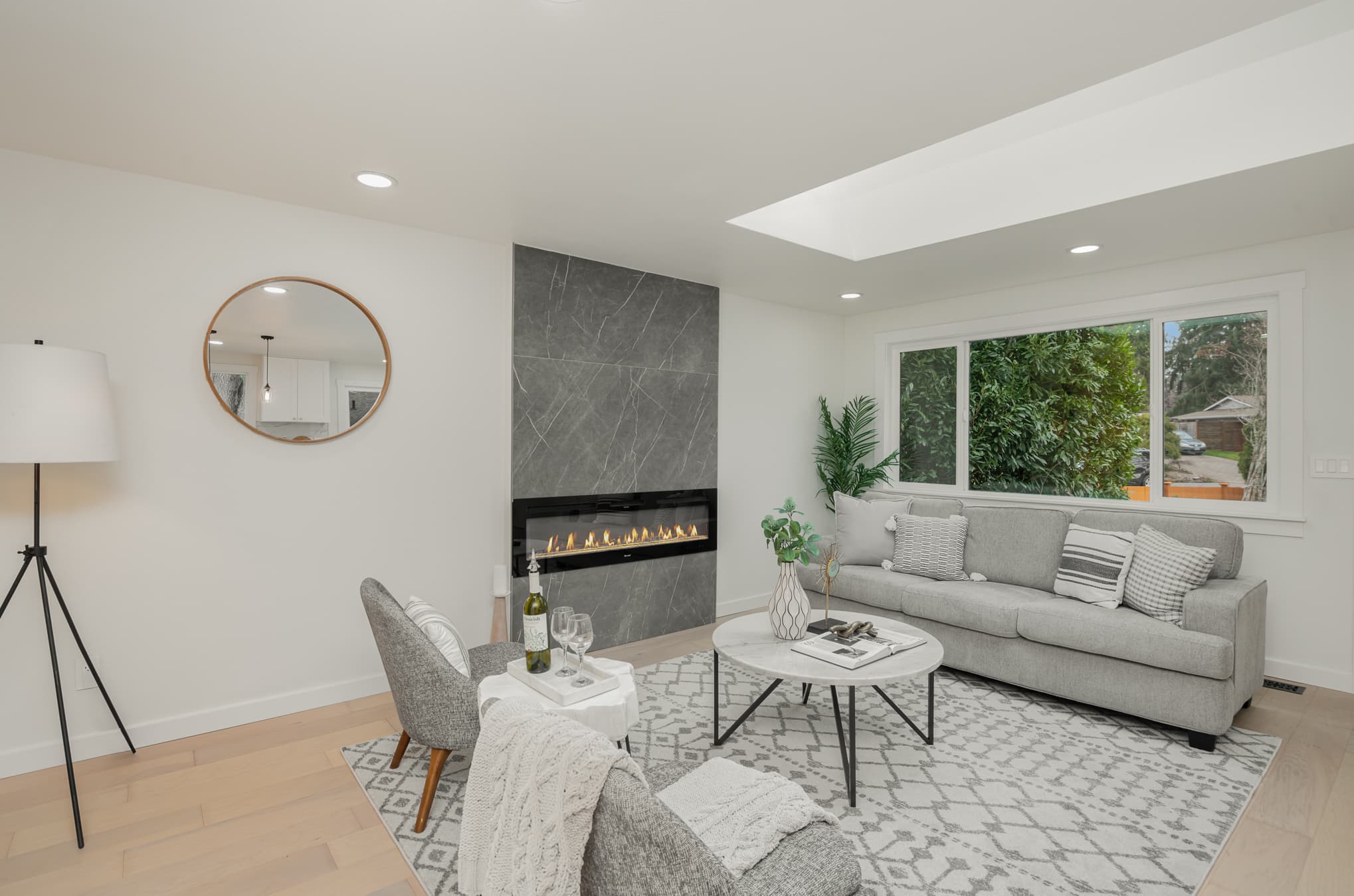
Understanding Value: More Than Paint and Counters If you’re considering investing in a renovation on Seattle’s Eastside—think Kirkland, Bellevue, or Redmond—it’s worth starting with some perspective. Not every upgrade gives a good return, and with rates where they are, buyers are a little pickier about what they’ll stretch for. So, what genuinely drives value when renovating here?
Upgrades with the most impact usually fall into these categories: - Kitchens and bathrooms that hit a balance of function and style - Open, flexible living spaces (especially with remote work now being a permanent fixture for many) - Major systems (roof, windows, HVAC)—these aren’t always flashy, but serious buyers ask about them - Curb appeal: landscaping, paint, and the front entry still get noticed
When it comes to kitchens and baths, you don't have to chase every trend. Clean, modern lines, solid surfaces, and quality hardware outlast trendier looks and please more buyers. Take it from us: the fanciest tile won’t fix a cramped floorplan or bad lighting.
The Pre-Sell List: Setting Priorities Before You Swing a Hammer Whether you’re prepping to sell this year or in a few, a formal Pre-Sell List—essentially, a prioritized inventory of what should be fixed, updated, or left alone—will save money and headaches.
Here's how the process usually runs: - Walkthrough: We go through every room, noting what stands out (good and bad). - Market Context: We check comparable homes in your neighborhood and what they’re selling for. - Return vs. Cost: Some fixes boost list price, others just stop buyers from walking away. It’s important to know the difference. - Permits and Realities: Can you get a permit in a reasonable timeframe? Kirkland and Bellevue, in particular, have gotten tougher and slower on permit turnarounds these last few years. - Budget Boundaries: It’s easy to get carried away, but every dollar you spend should defend its place.
“A concise list focused on costs, timing, and expected payback will help you get the most from your sale—without over-improving or running over budget.”
Flip Club Partnerships: Not Just for Big Investors There’s a lot of talk about institutional investors out there, but the real backbone on the Eastside remains people who partner up to renovate and resell homes. Our Flip Club approach lets friends, neighbors, and new folks team up, share skills, and reduce risk.
Key considerations for a flip partnership: - Keep agreements crystal clear (from profit splits to who’s project manager) - Understand the permit environment – it can be tough to predict in places like Bellevue - Factor in holding costs—especially when borrowing to fund the deal
More hands make lighter work, but more cooks in the kitchen need a good recipe to start.
Custom Dream Homes: Where to Start (and When to Finish) If you’re building or gut-renovating a house to move into (not to flip), your calculus shifts. ROI matters less than your long-term happiness—but you still want to avoid costly mistakes. Here’s how to keep the project grounded:
- Prioritize what makes your life easier: layout, storage, natural light, and indoor-outdoor connections
- Don’t overspend for your street—however tempting
- Pick classic, high-quality finishes that look good 10 years from now
- Plan for tech upgrades, but don’t go too ‘smart home’ unless you truly need it—today’s luxury add-ons can be tomorrow’s dated oddity
How to Pick a Contractor You’ll Actually Like Working With Don’t trust the lowest bid, and don’t limit your search to a friend’s cousin. Some things to keep in mind: - Verify references and licenses - Make sure they have Eastside permit experience - Ask how they handle schedules, surprises, and budgets - Get everything in writing—every time
You want a partner, not just a price. Be skeptical of anyone who promises miracles during busy seasons or waves away permit questions.
Budgeting and Timeline: Tougher Than You Think in Today’s Market Material costs have leveled off, but labor still isn’t cheap, and permitting can be unpredictable in Kirkland, Bellevue, and Redmond. When you’re building your budget, include: - A healthy buffer (10–20% for surprises is just practical) - Some flexibility on timeline—plan for inspection and permit surprises - Realistic choices: decide upfront which finishes matter most
Resist the urge to get a quote and assume it’s gospel. Every job will hit a bump or two.
Design Decisions That Age Well Trends are fun, but most Eastside buyers (and future you) appreciate design choices with staying power. What works here? - Neutrals and natural materials: wood, stone, timeless tile - Quality lighting: layering light is more important than a single expensive fixture - Flexible spaces: home offices or rooms that convert, storage that adapts
Avoid highly personalized features you can’t easily undo. A wallpaper mural or a sunken conversation pit might get attention, but not always the kind you want.
Neighborhood Insights: What Matters Most in Kirkland, Bellevue, and Redmond? - Kirkland: Outdoor living is huge. Firepits, decks, patios that connect to the kitchen always get a response. - Bellevue: Schools matter—upgrades in bedrooms and study spaces often pay off. Bellevue buyers like homes to feel new and impeccably maintained. - Redmond: Tech buyers want upgrades that make daily living easy: mudrooms, EV chargers, and great kitchens. Mid-century neighborhoods reward respectful modernizations, not just slapping on what’s new.
Each neighborhood has its quirks. Spend a little time talking to agents, neighbors, or us to see which upgrades stick.
Honest Tradeoffs: Market Timing, ROI, and Interest Rates Right Now As of spring 2026, higher interest rates mean buyers have become even more choosy about move-in readiness and longevity—not just surface charm. If you’re renovating to sell, bigger projects should have a clear payoff, or you may be better off sprucing up the basics and pricing more sharply.
If you’re staying put, focus on changes that make day-to-day living better for you and your family, not just future value. The pace of sales has slowed a bit, and buyers expect to see a house worth the higher monthly payment.
"On the Eastside, well-executed upgrades that solve real problems—layout, storage, light, curb appeal—still move the needle. Overly trendy finishes and half-hearted flips don’t."
Bottom line: Whether you’re flip partnering, prepping to sell, or chasing your dream home, the right path is the one that honestly matches your goals, timeline, and neighborhood realities. And if you’re ever in doubt, get a grounded, local perspective. We’re always happy to share what we’ve learned—sometimes the hard way.